Find the Real Decision
We replace broad calls for alignment or improvement with one choice, owner, consequence, or transition that can be made clearer.
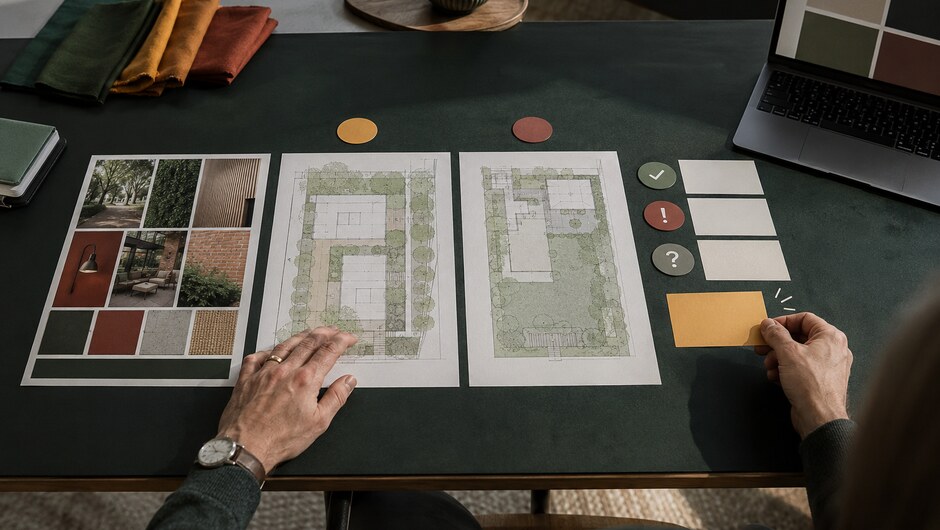

A bookerharwood.com guide begins where collaborative work becomes difficult to explain. We identify the real decision, separate evidence from assumption, test the smallest structure that could help, and preserve what remains useful after the immediate situation changes.
We replace broad calls for alignment or improvement with one choice, owner, consequence, or transition that can be made clearer.
We organise what was observed, what was interpreted, what remains uncertain, and which operating constraints are genuinely fixed.
A short brief, visible board, review sequence, or log is applied to live work before it grows into a larger operating system.
We record the decision, consequence, review trigger, and transferable learning—not every detail of the conversation that produced it.
The test of a working method is not how tidy it looks during a workshop. It is whether somebody who was absent can understand the decision, act responsibly, and recognise when changed conditions justify a different choice.
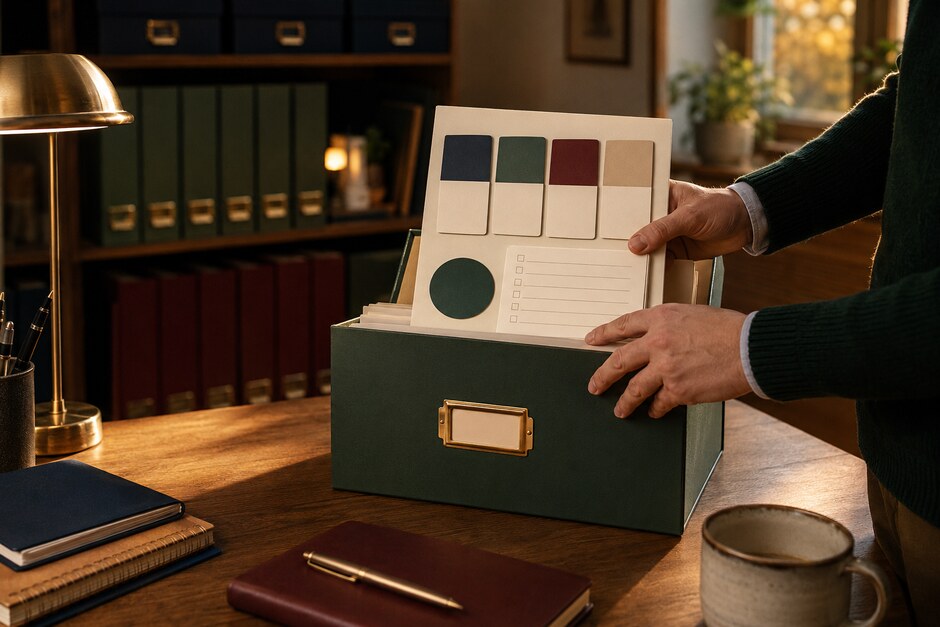
A method should make responsibility and reasoning visible without pretending every situation has the same answer. Once the purpose is understood, the structure can become lighter and professional judgment can do the work it is meant to do.